Render any ayah
LiveOne GET request, no key, no signup. The image below is the live response.
Rendering…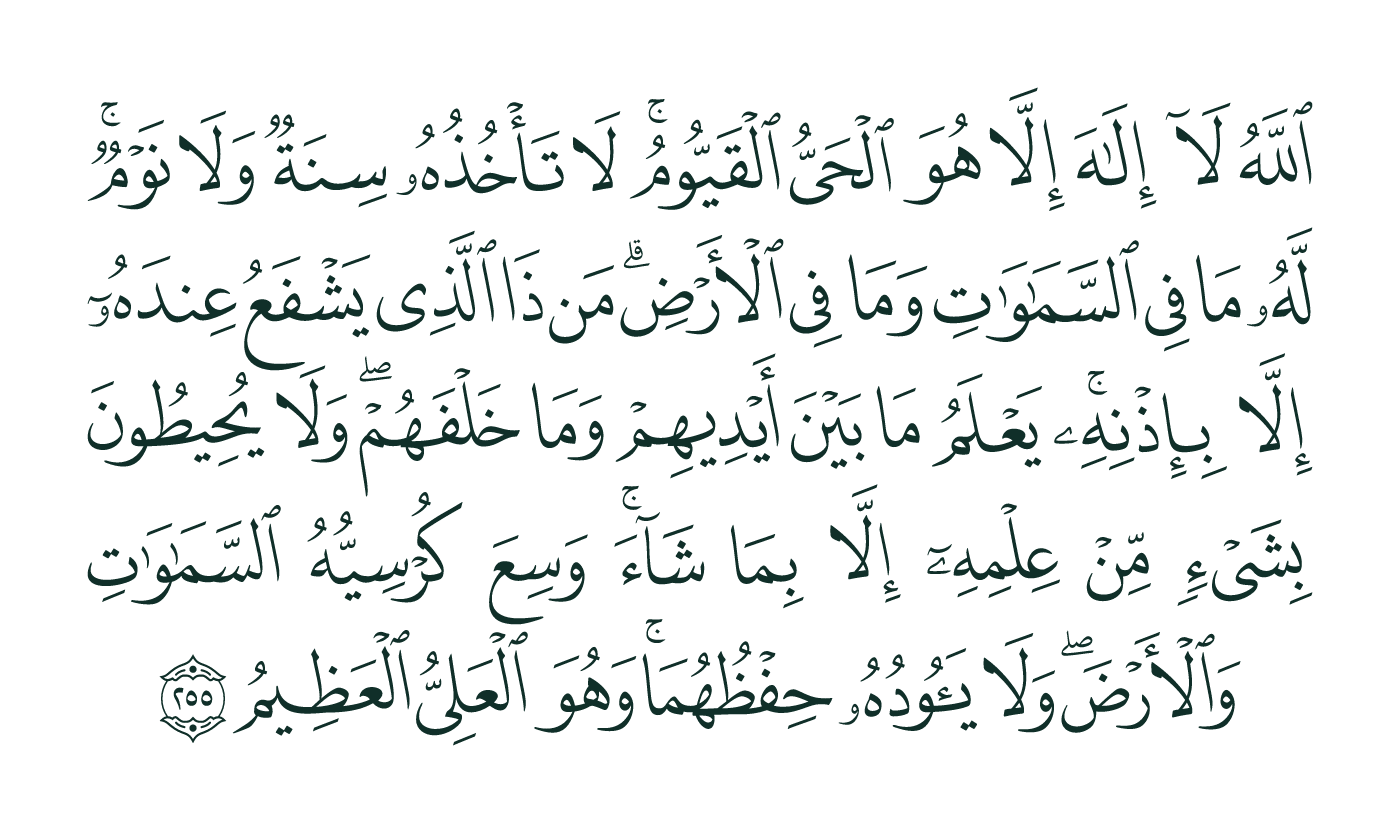
Rendered from KFGQPC Madani plates · transparent PNG, SVG and PDFpng.quran.ws →
Any range of ayahs as a transparent PNG, an SVG or a print-ready PDF of the actual printed mushaf — for Canva, Figma, Illustrator, Keynote, or anywhere else a designer needs Arabic that renders correctly.
One GET request, no key, no signup. The image below is the live response.
Nothing here is typeset. Every word is vector artwork traced from the King Fahd Complex’s own Madani plates — each mark a separate shape with a stable surah:ayah:word key. Rendering an ayah collects exactly those shapes and moves them onto a new canvas. No font to go missing, no ligature to get wrong.
Design tools do their own text shaping, and Quranic marks are exactly where that shaping goes wrong.
They are a typeface someone drew. The plates the Complex prints from are not a font at all.
Inside someone else's design tool, you cannot ship one.
mushaf reproduces the plate, every word at its printed x. fit repacks the same artwork into justified lines. Justification moves the gaps only — the printed mushaf stretches letters, and doing that here would distort the artwork, so a line needing more than 3× its natural word spacing is left ragged.One GET request. Renders are cached server-side and carry an ETag. Pin a renderer with v and the URL is immutable and safe to cache for a year.
The same picker runs in Canva’s side panel, so there is no download-and-re-upload step. The one permission it asks for is canva:asset:private:write, to put the image in your media library — it cannot read your designs.
The artwork is the same word-and-mark decomposition the Elements block publishes. This is what it looks like when something is built on top of it.